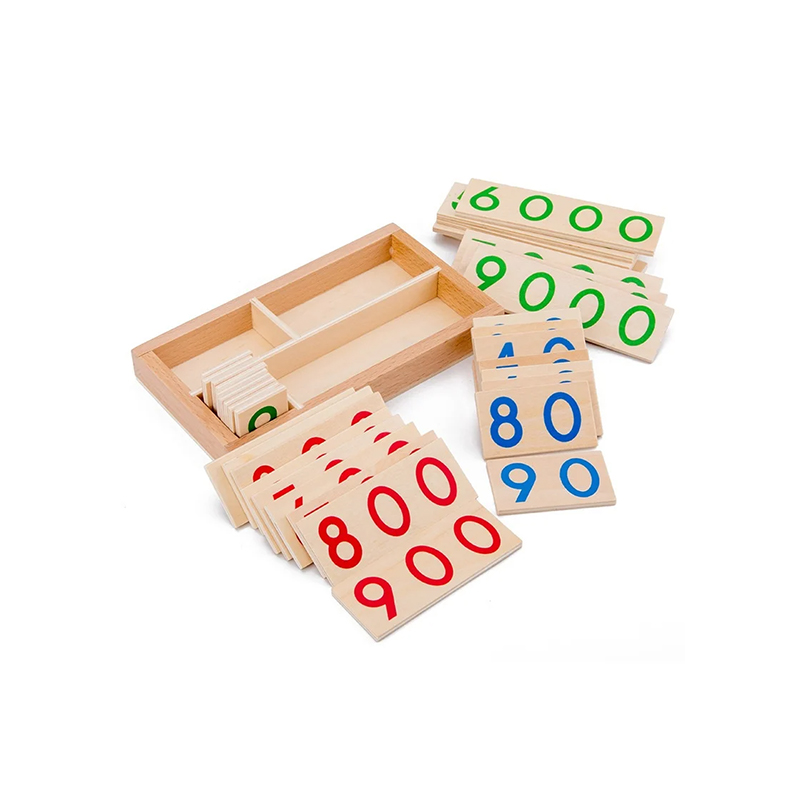
Educational games are an innovative form that cleverly combines education and entertainment. Through engaging gamified elements such as puzzles, exploration, and strategy, they make learning both vivid and fun. These games not only allow players to absorb new knowledge in a relaxed environment but also stimulate their motivation to learn and enhance key skills. Educational games play an important role in classroom teaching, home education, and self-study.
Ningbo Royal Import And Export Co., Ltd. is a professional STEM education board game factory in China. Our products are diverse, of excellent quality, reasonably priced, and stylishly designed, and are widely used in industries such as gaming.
1. Advantages and Characteristics of Educational Games
Perfect Integration of Knowledge and Fun
The biggest advantage of educational games is that they combine dry academic knowledge with engaging game elements. Through exploration, puzzles, and task challenges, players can not only understand abstract knowledge points more easily but also stimulate their interest in learning.
Strong Interactivity: The interactive design in games makes learning no longer a one-way transfer of knowledge, but a two-way interaction and participation. Players actively operate, choose, and make decisions, effectively promoting a deeper understanding of knowledge.
Diversified Learning Methods: From math problems in puzzle games to vocabulary challenges in language games, educational games can provide a variety of learning methods to meet the needs of different subjects and interests.
Stimulating Learning Motivation and Engagement
Another key characteristic of educational games is that they enhance learning motivation. By setting levels, task objectives, and reward mechanisms, players can gain a sense of accomplishment and satisfaction in the process of completing learning tasks, thereby motivating them to continue learning.
Instant Feedback and Rewards: In games, players often receive points, badges, or other forms of rewards for completing tasks. This instant feedback enhances their sense of participation and accomplishment.
Challenge and Achievement: Games have progressively increasing difficulty levels. Players need to gradually solve problems and break through mental barriers to gain a higher level of satisfaction.
Promoting the Development of Multiple Skills
Educational games not only focus on the transmission of subject knowledge but also effectively help players develop other key abilities, such as:
Logical Thinking: Many educational games require players to perform logical reasoning and strategic planning, which can effectively cultivate their logical thinking skills.
Creativity: Through tasks such as problem-solving and design, educational games stimulate players' creative thinking.
Collaboration Skills: Many educational games use teamwork, which can help players develop teamwork and communication skills through interaction.
Wide Range of Applications, Flexible and Diverse
Educational games are suitable for all age groups, suitable for children's learning enlightenment, and can also be used as an auxiliary tool for adult self-study. They come in a variety of forms, including board games, card games, and digital games based on mobile phones, computers, and other devices.
Family education: Parents can interact with their children through educational games, helping them acquire new knowledge in an enjoyable way.
Classroom supplementary teaching: Educational games can serve as a powerful supplement to classroom teaching, attracting students' attention and increasing classroom participation.
Self-study tool: Adults can use educational games to reinforce or expand their knowledge in certain areas, promoting self-learning.
2. Application Scenarios of Educational Games
Educational games are suitable not only for classroom teaching but also for various learning scenarios such as family education and extracurricular tutoring. Here are some typical application scenarios:
Classroom Supplementary Teaching
Educational games can increase students' learning interest, enhance classroom interaction, and help teachers present abstract knowledge in a more vivid and engaging way. For example, teachers can use math puzzle games to help students better understand mathematical concepts, or use English vocabulary competitions to stimulate students' interest in language learning.
Family Education
Parents can participate in educational games with their children, which not only helps children deepen their understanding of knowledge but also strengthens parent-child interaction and communication. Especially for younger children, educational games, through the method of learning through play, can effectively improve their concentration and memory.
Self-study and Online Learning
For adults, educational games can serve as a tool for self-study, especially in areas such as professional skills and language learning. Through gamified learning, adults can improve their skills in a relaxed atmosphere and gain a sense of accomplishment, avoiding the boredom and fatigue associated with traditional learning methods.
3. Comparison Table of Educational Game Types
| Game Type |
Features |
Suitable Audience |
| Math Puzzle Games |
Learn math through puzzle challenges and logical reasoning |
Children, Teenagers, Adults |
| Language Learning Games |
Improve vocabulary and grammar through challenges |
Children, Teenagers, Adults |
| Science Exploration Games |
Learn scientific principles through virtual experiments and exploration |
Middle and high school students, Teenagers |
| Logic Puzzle Games |
Train reasoning, logical thinking, and problem-solving abilities |
All age groups |
| Creative Design Games |
Stimulate creativity and innovative thinking to solve problems |
Children, Teenagers, Adults |
| Social Collaboration Games |
Complete tasks through team cooperation, improve communication and teamwork skills |
All age groups |
4. Frequently Asked Questions (FAQ)
Q1: What age groups are educational games suitable for?
A1: Educational games are suitable for all age groups, especially children, teenagers, and adults. Different types of educational games can provide targeted learning experiences based on age and needs.
Q2: What skills can educational games improve?
A2: Educational games can not only improve academic knowledge (such as mathematics, language, and science) but also cultivate critical skills such as logical thinking, creativity, and collaboration.
Q3: Are educational games suitable for classroom teaching?
A3: Yes, educational games are very suitable as supplementary tools in the classroom. They can stimulate students' interest in learning and enhance classroom interaction and participation.
Q4: How is the learning effectiveness of educational games evaluated?
A4: Educational games usually have task objectives and level challenges. Players' learning effectiveness can be evaluated through the points and rewards they receive for completing tasks.


 English
 Español
 Deutsch