
 2026.08.13
 Industry News
If you want the number before anything else: a standard ping pong table is 2.74 m long, 1.525 m wide, and 0.76 m high - 9 ft by 5 ft by 2.5 ft - and the net stands 15.25 cm (6 in) tall at the centre of the playing surface. The International Table Tennis Federation (ITTF) defines these as regulation dimensions, so every full-size table on the market uses the same outer envelope.
That compact rectangle, however, is not the whole story. Many first-time buyers discover that the table fits in the room but the game does not, because serves and backhand strokes need open space behind both ends. The practical sequence is simple: check the table size first, then measure the room, then decide whether a full-size table or a compact alternative fits the way you actually play.
Content
The ITTF publishes the exact measurements used for regulation play. When a retailer or catalogue lists a "full-size" or "standard" table tennis table, these are the dimensions it refers to.
| Part of the table | Metric | Imperial |
|---|---|---|
| Playing surface - length | 2.74 m | 9 ft |
| Playing surface - width | 1.525 m | 5 ft |
| Playing surface - height from floor | 0.76 m | 2.5 ft |
| Net height at the centre | 15.25 cm | 6 in |
| Net supports extend beyond each side | 15.25 cm | 6 in |
Two smaller details matter during setup. The white markings on the surface are exactly 20 mm wide, and a two-piece table, once unfolded, must form a continuous rectangular surface of the same overall size; the folding crack runs exactly under the net.
It helps to picture the table as a simple box: the long edge defines the length, the short edge defines the width, and the whole playing surface must sit 0.76 m above the floor. The diagram below labels each key measurement.
Isometric view of a regulation table; the dashed outline marks the floor footprint.
The net is lower than most people expect - roughly as tall as a smartphone standing upright. The table height, by contrast, puts the surface close to kitchen worktop level, which lets most adults play standing without bending. Younger children usually need a small step or a shorter training table.
Here is the conclusion first: for relaxed home play, plan on a room of at least 6.7 m by 3.5 m; for comfortable play with full backswings, use about 8 m by 4.5 m; and for ITTF-accredited tournaments, the playing space must not be less than 14 m by 7 m. The ITTF figure comes from its technical regulations for approved events, while the home sizes follow the recommendations repeated across European and American equipment guides.
ITTF values apply to accredited competition venues; home figures follow common equipment guide recommendations.
Why is the clearance so large? A player addresses the ball with the paddle behind the body, then steps forward into the stroke. That motion alone can use up 1 m of depth. Add the serve, where the toss must be free and the paddle moves through a full arc, and a narrow corridor becomes a game of short taps rather than real rallies. Two final tips: keep at least 0.5 m of clear space on the sides for footwork, and if you plan to use a robot or play doubles, add extra width at both ends.
Standard dimensions tell you how much space the table occupies, but thickness tells you how well it plays. In short: entry-level tops of 15-16 mm are fine for family play; 19 mm is the sensible minimum for regular practice; and 25 mm is what tournament-grade tables use.
Common thickness tiers on full-size retail tables; tournament tables are almost always 25 mm.
You can verify a table's outer size with a tape measure in two minutes, but the internal construction is harder to check. If a 25 mm model is priced far below the market average, ask about the core material and the frame before ordering. A genuinely thick, continuous top is one of the few features that visibly changes ball behaviour.
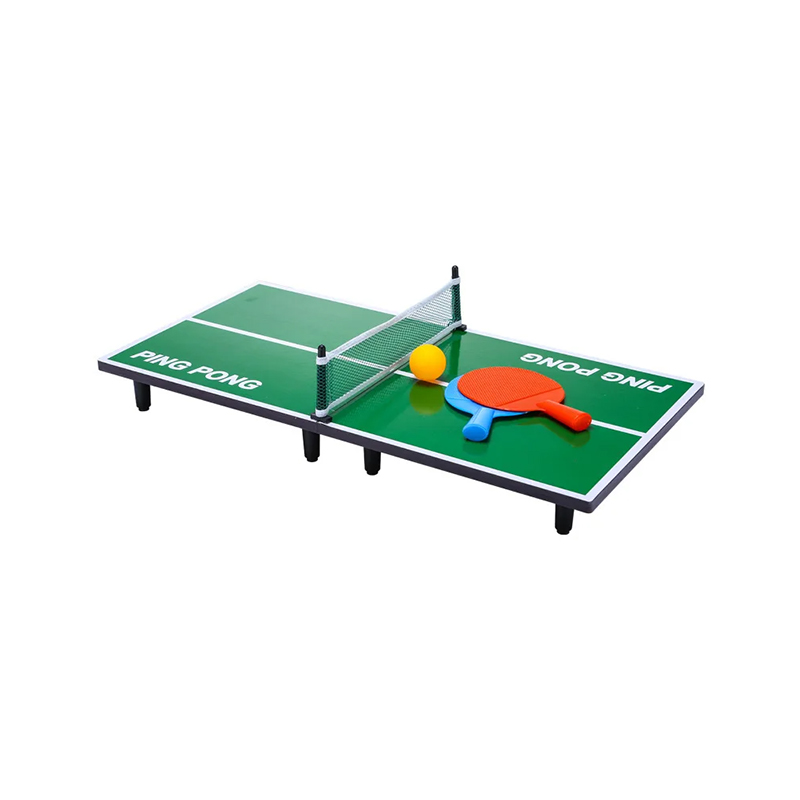
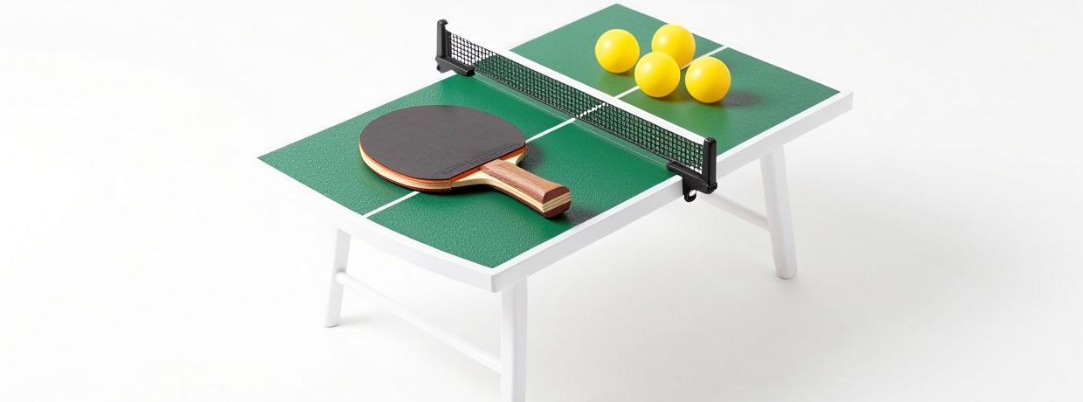
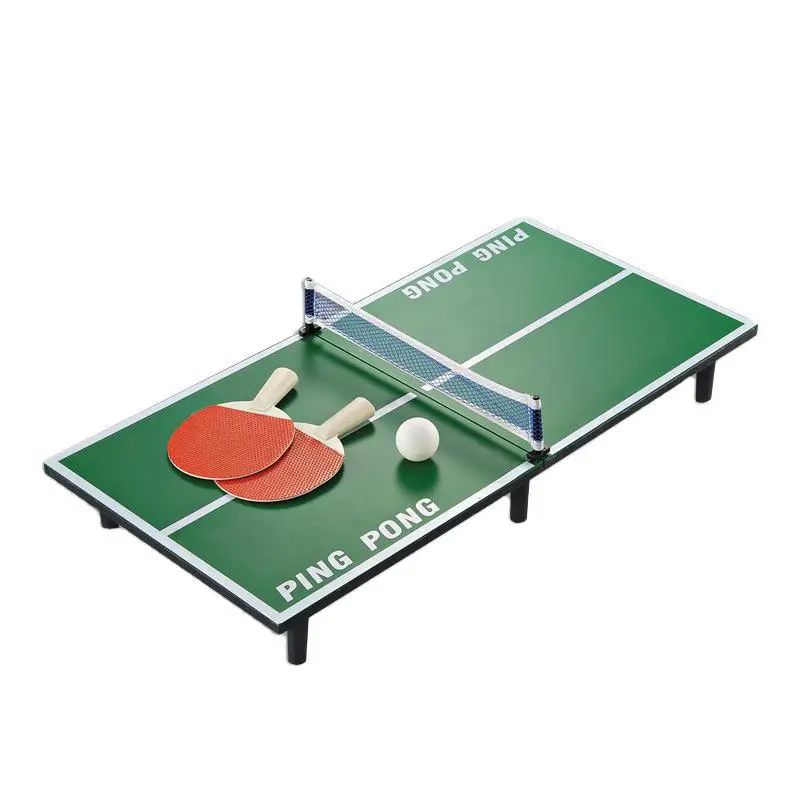
Suppose your room measures 5 m by 3 m - comfortable for a sofa, too tight for a regulation table. The solution is not to squeeze a full-size model into a corridor; it is to match the table to the use case. A compact tabletop set keeps the authentic playing action within a reduced footprint. Our compact mini desktop ping pong table set is a practical option for offices, apartments, and break rooms where a 2.74 m table cannot live.
 Mini Desktop Ping Pong Table Set Suppliers, Wholesale Factory - Ningbo Royal ImpNingbo Royal Import And Export Co., Ltd is China Mini Desktop Ping Pong Table Set suppliers and wholesale factory, OEM/ODM,Core ConceptTh...View Product →
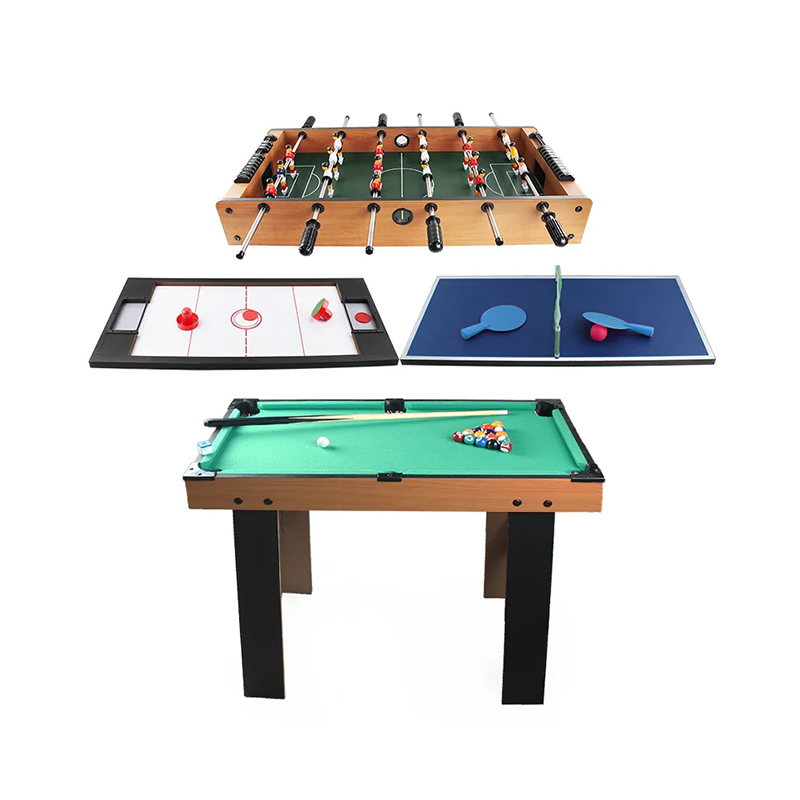
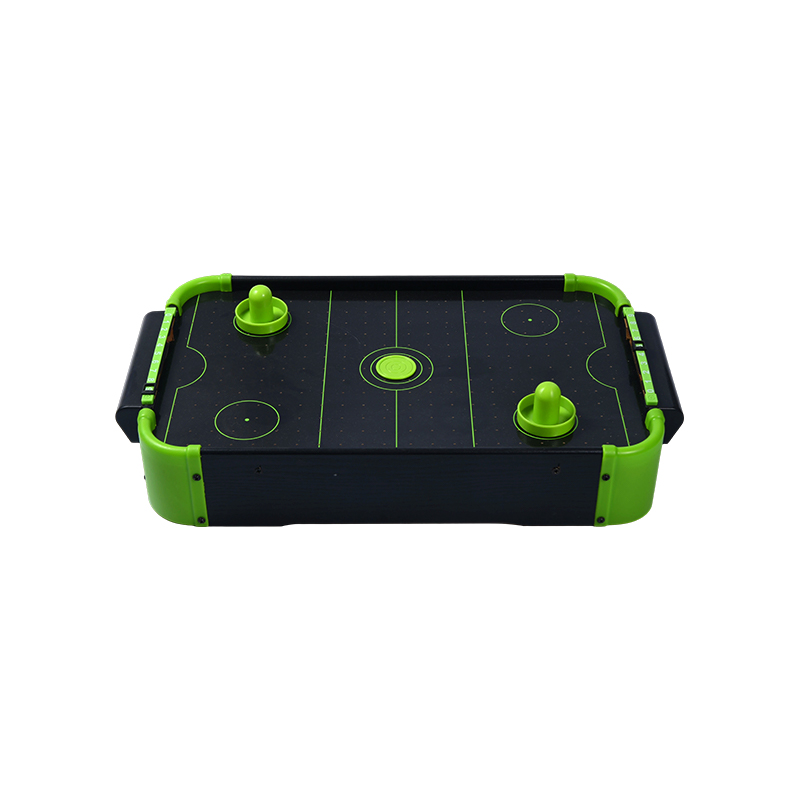
For venues and play zones, multi-game furniture is often smarter than a single-purpose table. A 4-in-1 multi-game table with table tennis combines table tennis, foosball, air hockey, and billiards in one unit, letting a business or community centre serve more users per square metre of floor. Commercial buyers usually care less about ITTF certification and more about durability, easy transport, and quick changeover - exactly the trade-offs we cover in our guide to commercial tabletop sports games.
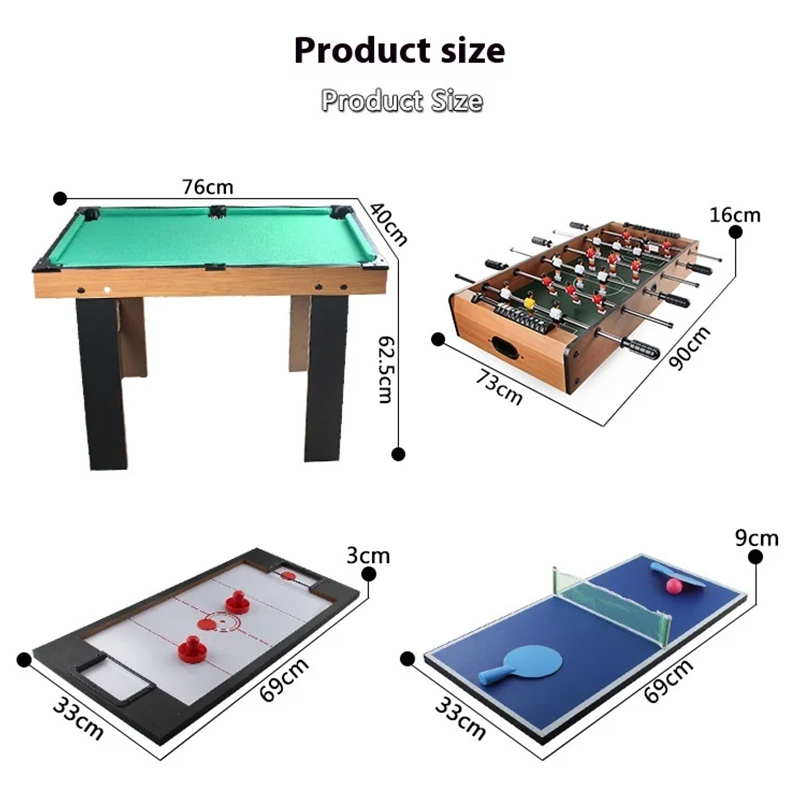 4-in-1 Multi-Game Table with Foosball, Air Hockey, Table Tennis, and Pool SuppliNingbo Royal Import And Export Co., Ltd is China 4-in-1 Multi-Game Table with Foosball, Air Hockey, Table Tennis, and Pool suppliers and ...View Product →
If you are comparing table tennis against other compact games, the same space logic applies: our comparison of a mini pool table for small spaces shows how the playing clearance, not just the table footprint, decides whether a room works. Both paths sit inside the wider family of tabletop games, where mini tables, travel sets, and full-size furniture each solve a different space problem.
A regulation table is 2.74 m long by 1.525 m wide, with the playing surface 0.76 m above the floor. The net is 15.25 cm high in the centre.
For social play at home, allow at least 6.7 m by 3.5 m. Comfortable practice needs about 8 m by 4.5 m, and ITTF accredited events require a playing space of at least 14 m by 7 m.
No. Both terms describe the same 2.74 m x 1.525 m x 0.76 m table. Differences in price and performance come from top thickness, frame construction, and wheels, not the outer dimensions.
Not comfortably. A short room restricts serves and backhand strokes. Many buyers in this situation choose a compact desktop table or a multi-game unit instead of a full-size model.

A professional enterprise specializing in the production of game gift products, with complete testing equipment and strong technical force.
Read MoreCONTACT US
For exclusive deals and latest offers, sign up by entering your email address below.
ORGANAIZATION INFO
Address: No. 329, Fangyan Road, Luotuo Street, Zhenhai District, Ningbo City, Zhejiang Province, China.
Phone:+86 15990507778
E-mail:[email protected]
Copyright © Ningbo Royal Import And Export Co., Ltd. All Rights Reserved. China Game Product Sets Manufacturers Wholesale Game Gift Products Factory privacy



 English
 Español
 Deutsch