
 2026.09.09
 Industry News
You are preparing to produce a custom deck of playing cards for your brand, and you want to avoid the wrong supplier. The uncertainties are real: should the cards be paper stock or PVC? Should you choose matte lamination or a glossy UV coat? Can the factory actually deliver your order in the required specification? The questions below reflect the buying decisions that matter most when you evaluate a playing card maker, and the answers come from first-hand experience with commercial custom deck production.
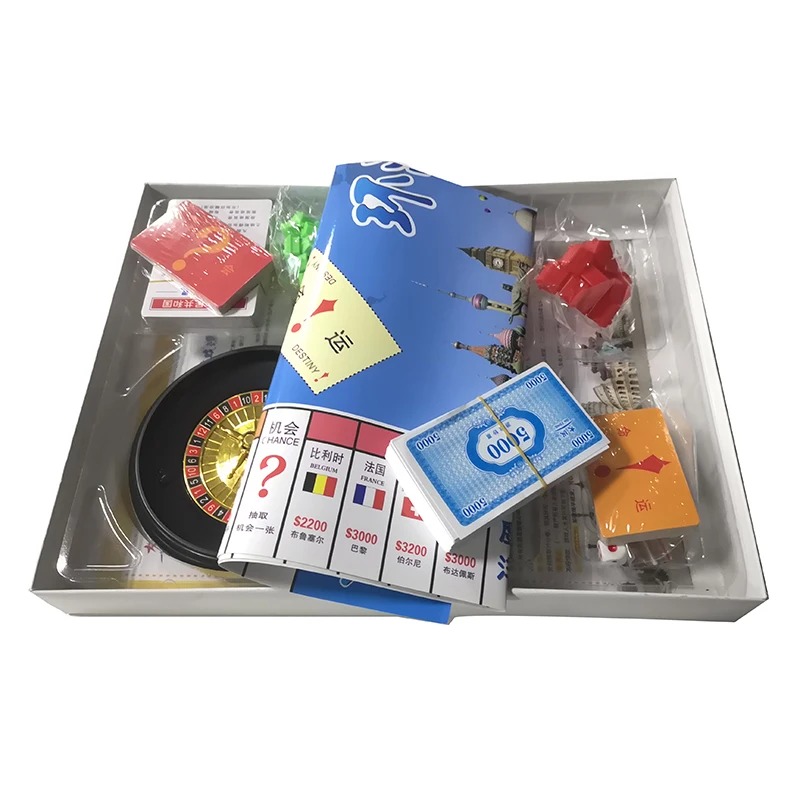 Custom Board Game Collection - Multi-Theme Family Gaming SetPremium Components: Food-grade, BPA-free plastic for safe handling Color Spectrum: 12 distinct themes with vibrant hues - including emerald jungles, sapphire oceans, a...View Product →
Content
The short answer is: a well-produced custom deck creates a tangible brand impression that ordinary off-the-shelf cards simply cannot match. When you hand someone a deck with your logo, your artwork, and a specific finish, you are giving them a physical object they will touch many times. That tactile connection becomes part of their memory of your brand.
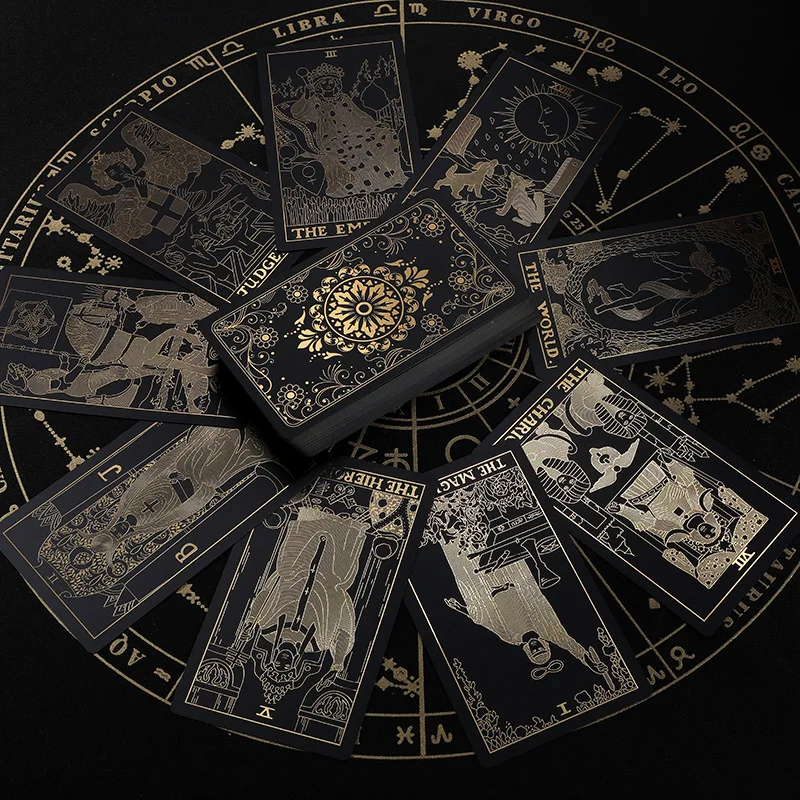
The second reason is product differentiation. In the gift and entertainment market, custom decks stand out from standard card sets. A poker deck with custom ceramic chips, a tarot set with gold foil accents, or a family game set with unique artwork can carry a noticeably higher retail price. For importers and distributors, the ability to specify size, printing, and packaging means you can deliver exactly what your customers want, rather than settling for whatever exists in a catalog.
Finally, cost predictability matters. A professional custom playing card maker works with established process flows and has the equipment to support both small test runs and large volume orders. That reduces the risk of hidden tooling costs, reprints, or delays, and helps you plan your launch calendar with confidence.
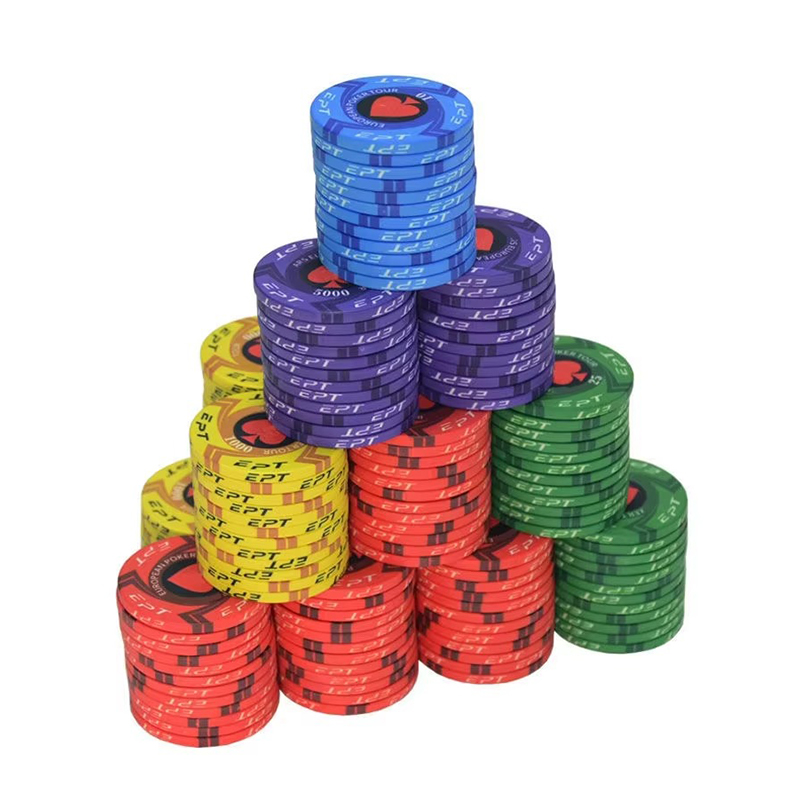
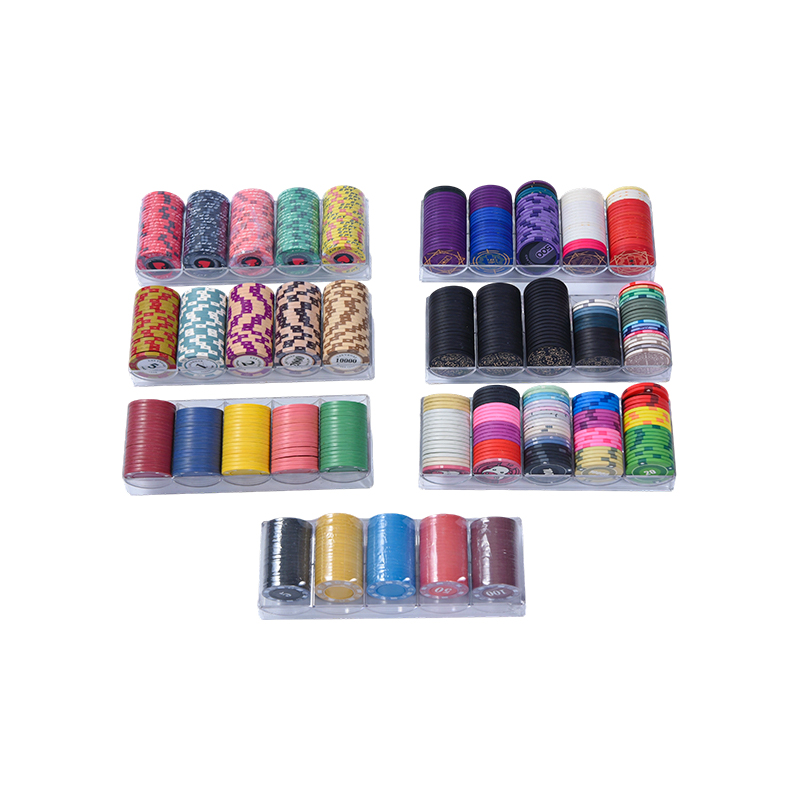
The decision that has the greatest impact on your playing cards is the material choice. Paper stock is the most common option because it is affordable and easy to print. However, if your customers expect a longer product life or a premium feel, paper may disappoint. PVC is a synthetic material that is more durable, water-resistant, and easier to shuffle. Ceramic poker chips are not playing cards themselves, but custom ceramic poker chips are often ordered with a matching deck for casino nights and collectible gift sets.
The chart below summarizes buyer priorities based on industry feedback across custom deck procurement projects. It is not a formal statistical study, but it reflects the same criteria that repeat buyers mention when they talk about why they stay with one playing card maker or move to another.
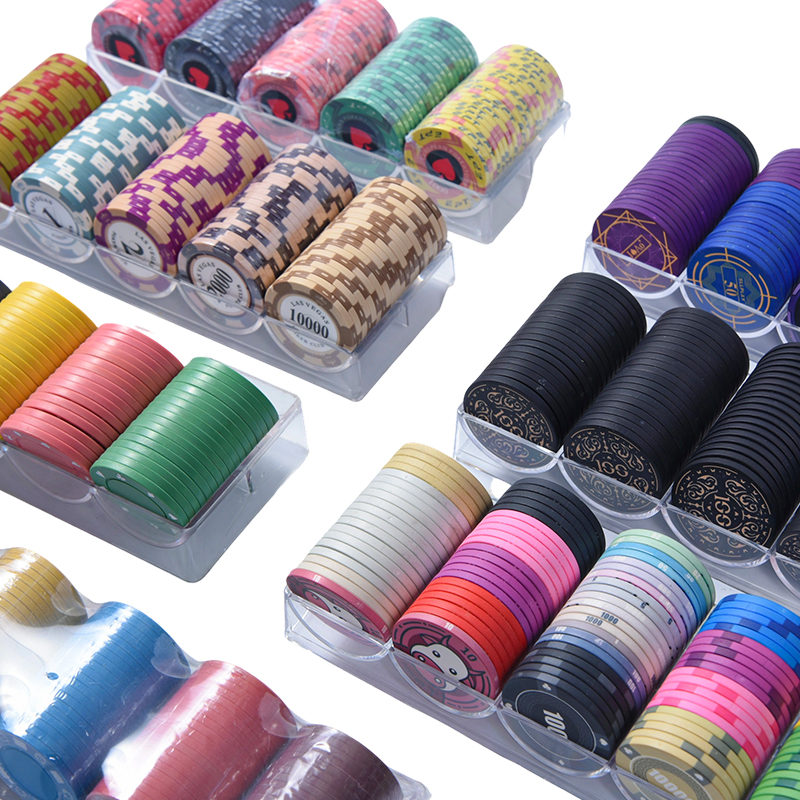 Custom Logo Ceramic Poker ChipsMaterial Design Chips: Durable plastic with textured surface (10g standard weight). Colors: customzation Customization: Full-color logo printing. Storage Solution Case...View Product →
When you compare card stocks, the most practical way to decide is to ask for physical samples. Many experienced playing card makers can produce sample cards for you to check by hand. The most important spec to verify is the card thickness. 0.28 to 0.35 mm is standard for poker-size cards. If you need a heavier feel, some manufacturers offer a thicker PVC layer that still performs well with automatic shufflers.
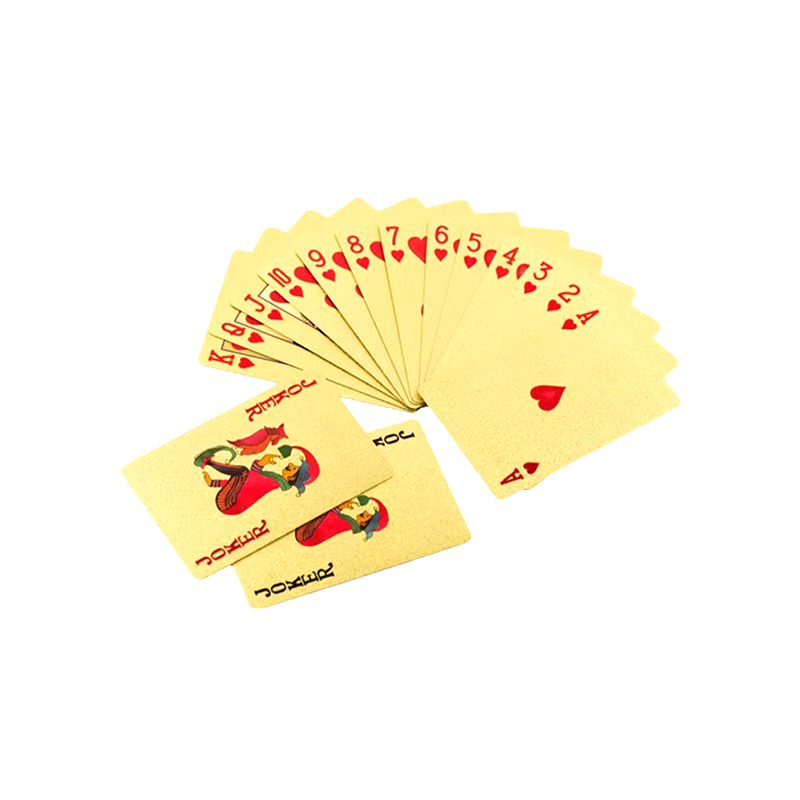
The material defines the base, but printing and finishing define the way your design is perceived. If you want a luxurious look, gold foil stamping is a classic option. It adds a metallic sheen that reflects light and makes a deck feel special. Spot UV coating gives a raised glossy effect on selected areas, ideal for logos or specific elements. Embossing creates a textured relief on the card surface, which is especially appreciated in higher-end tarot decks.
Each of these treatments has a different cost and a different tooling requirement. Foil stamping, for example, requires a metal die, and the setup fee may apply even to a small run. Embossing also involves a die and only works on certain card stocks. For this reason, we recommend telling your factory what effect you want early in the quoting phase. Many custom playing card makers can combine two or three finishes on one card, but the production time and dropped-card rejection rate may increase.
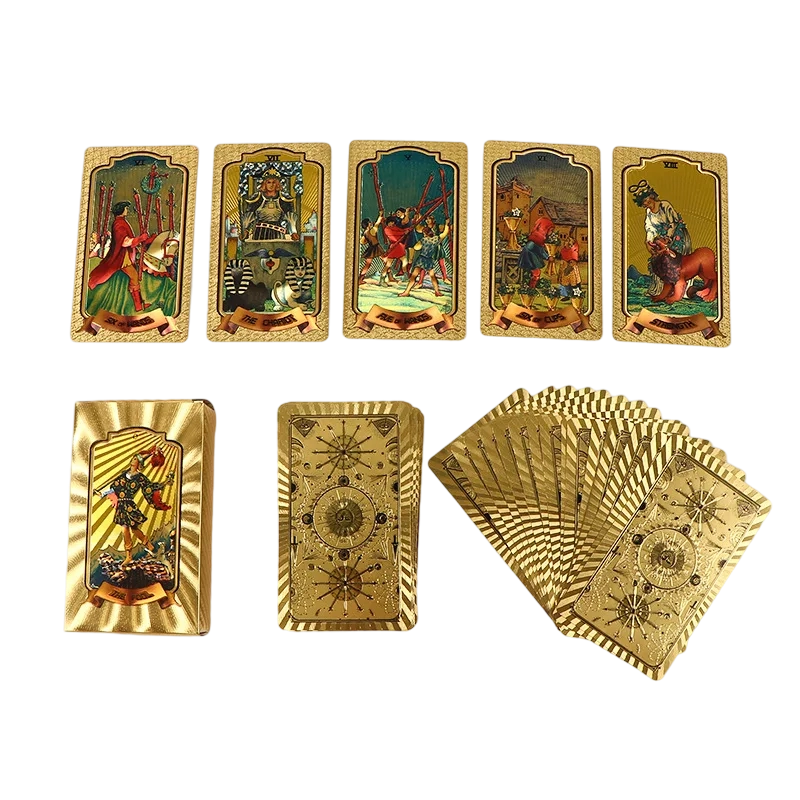 Premium Gold-Foil Tarot Cards SetProduct Features Exquisite Card DesignView Product →
Also confirm the printing limitations before you approve a design. Dark backgrounds with full-bleed art sometimes show slight color shifts after lamination, and a quality playing card maker should show you a pre-production proof before running the full order. If they cannot provide a proof, consider that a major red flag.
The third dimension in selecting a playing card maker is quality assurance. A reliable manufacturer should have testing equipment in-house or use a third-party lab to confirm that the product meets relevant safety standards. EN 71, ASTM F963, and REACH are commonly requested by buyers in Europe and North America. If your audience includes children, ask specifically for the relevant age grading and small-parts test results.
The following radar chart shows four supplier capability areas that a complex custom card request may require. It compares a typical qualified manufacturing supplier against a basic print-only workshop on five attributes.
The most important factor on that chart is Inspection. A factory that can inspect incoming raw materials, mid-process output, and finished product before packing gives you a much safer path to a successful order. Ask your playing card maker about their QC procedure. They should be able to tell you when they check colors, thickness, corner radius, and die-cut alignment. If the answer is vague, treat it as an area to investigate.
The practical workflow of a custom playing card order is straightforward when you know the standard steps. After design confirmation, the factory prepares color proofs on the exact card stock. Once you approve the proof, the production line proceeds through cutting, lamination, die-cutting, sorting, and packaging. The final QC check examines the deck count, card dimensions, rounded corners, and surface defects.
One mistake that buyers make is changing artwork after the proof stage. That can reset the process and add days or even weeks to your timeline. If you want to reduce risk, work with a playing card maker that has a dedicated CTP and proofing step. Many factories also offer a small pre-production run so you can validate the packaging and the finish before committing to a mass order.
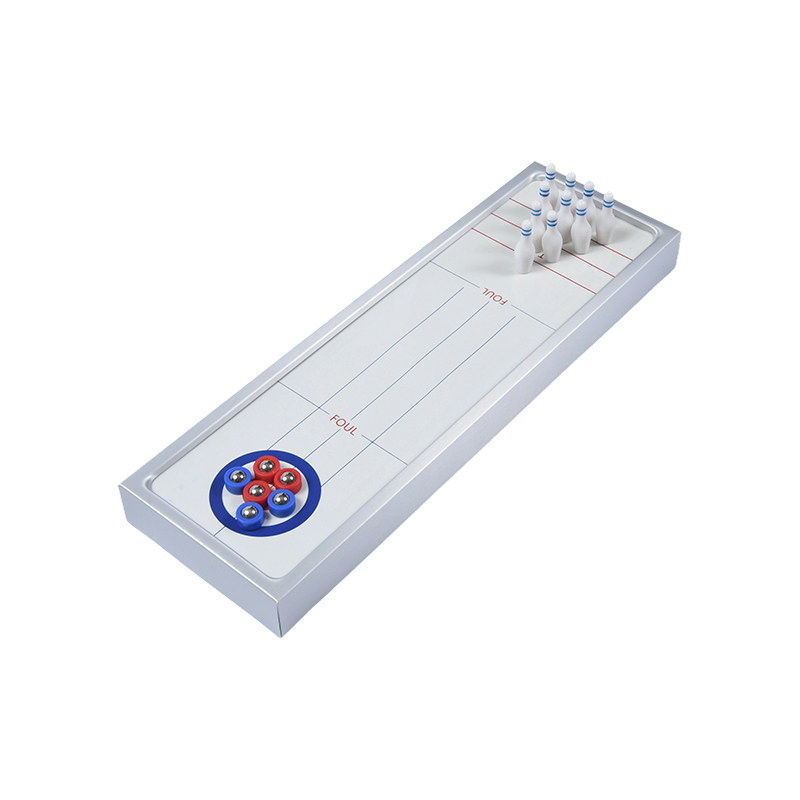
If you are planning a full tabletop product, the cards are only one element. Production cycles for complete game sets involve board components, tokens, dice boxes, and assembly. That is where a playing card maker with broader experience in game manufacturing becomes useful. Understanding how a complete tabletop game fits together gives you a clearer view of what you can realistically require from your factory. You can read more about this in our guide to tabletop games. Explore the full introduction to tabletop games to see how different components complement one another.
Ningbo Royal Import And Export Co., Ltd. is a professional game product sets manufacturer and game gift products factory located in Ningbo, China. The company is equipped with complete testing facilities and strong technical force, which supports its role as a custom playing card maker for international buyers. Its products are diverse in variety, superior in quality, reasonable in price, and fashionable in design, and are widely used in industries such as gaming.
The company has its own testing capabilities and follows a QC-oriented process. It also takes environmental responsibility seriously. From raw material selection to production, Ningbo Royal prioritizes biodegradable and recyclable materials to reduce carbon footprint. This aligns with the needs of buyers whose distributors care about sustainability. Products are widely recognized and trusted by users and are built to meet changing economic and social demands. If you are looking for a playing card maker that can cover everything from material selection to final inspection, Ningbo Royal welcomes you to discuss your custom deck project. The team is ready to help you build a successful and repeatable product line.
A1: For standard poker-size decks, the MOQ is typically 1,000 units. For tarot or custom-size cards, it may be 500 or 2,000 depending on the production complexity.
A2: Yes, responsible playing card makers offer a pre-production sample so you can check the card stock, finish, and color accuracy before the bulk run.
A3: Most factories accept CDR, AI, PDF, and high-resolution PSD files. Always confirm the DPI requirement, usually 300 DPI or higher, with your supplier.
A4: A standard order takes 20-35 days from confirmed design to shipment, depending on printing, coating, and packaging. Unusual finishes may add 7-10 days.
A5: Yes. Tin boxes, folding cartons, clear acrylic cases, and velvet pouches are common options. You can also request custom logos on the packaging.
A6: Responsible factories use FSC-certified paper, biodegradable coatings, and recycled materials. You should ask for relevant test reports such as EN71 or ASTM F963.

A professional enterprise specializing in the production of game gift products, with complete testing equipment and strong technical force.
Read MoreCONTACT US
For exclusive deals and latest offers, sign up by entering your email address below.
ORGANAIZATION INFO
Address: No. 329, Fangyan Road, Luotuo Street, Zhenhai District, Ningbo City, Zhejiang Province, China.
Phone:+86 15990507778
E-mail:[email protected]
Copyright © Ningbo Royal Import And Export Co., Ltd. All Rights Reserved. China Game Product Sets Manufacturers Wholesale Game Gift Products Factory privacy



 English
 Español
 Deutsch